Dunmore East Cliff Path: A Complete Walking Guide
Step-by-step route guide covering the full cliff path with rest points, parking details, and what you'll actually see along the way.
Why This Walk Stands Out
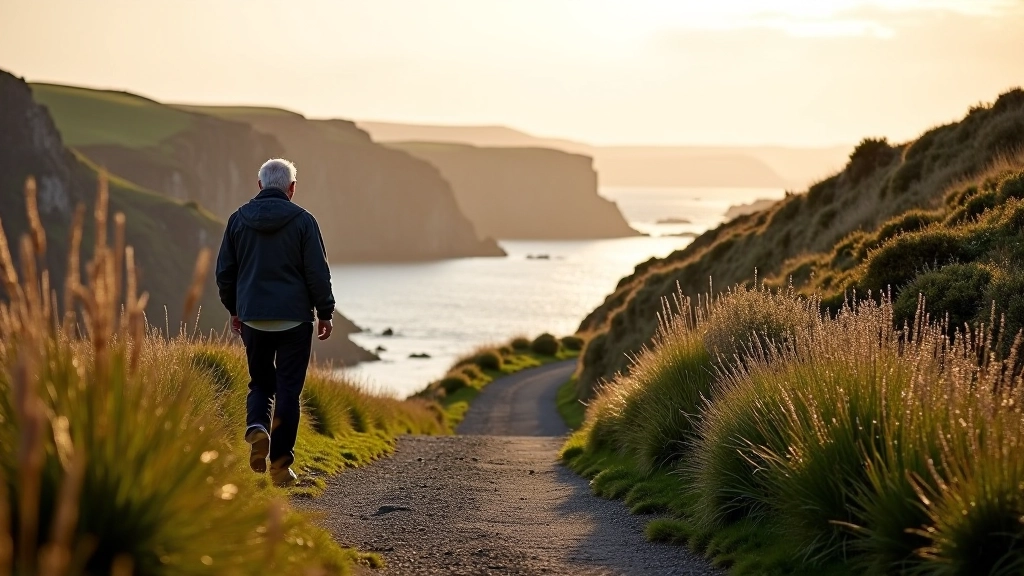
The Dunmore East Cliff Path isn't just another coastal walk. It's a 5.2-kilometer loop that hugs the Waterford coastline with unobstructed views of the Celtic Sea, and there's nowhere else in Southeast Ireland quite like it. You'll see fishing villages below, migrating birds overhead, and geological formations that tell the story of Ireland's Atlantic edge.
What makes this accessible for retirees is the pacing. You're not rushed. The trail has three natural rest points with benches, the terrain's mostly gentle with just one steeper section that takes maybe five minutes, and the full walk takes 90 minutes at a leisurely pace. We've timed it. We've walked it. And we'll show you exactly where to go.
Distance
5.2 km loop, fully marked
Duration
90 minutes at easy pace
Elevation
Mostly flat, one gentle rise
The Route Breakdown
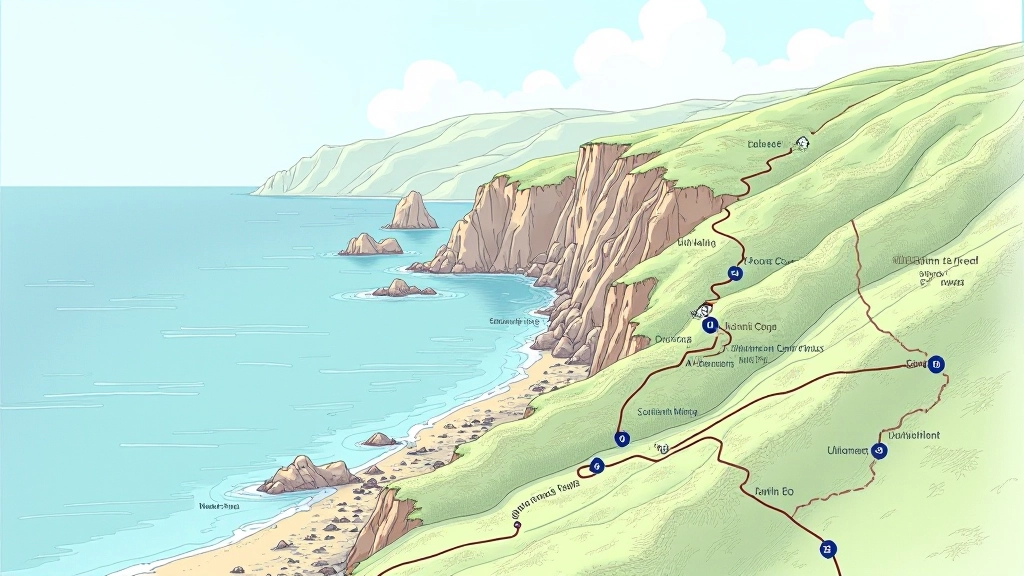
You'll start from the car park at Dunmore East Harbor. Free parking, right next to the lighthouse. From there, the trail is marked with yellow arrows that you honestly can't miss.
Harbor to Signal Tower (1 km)
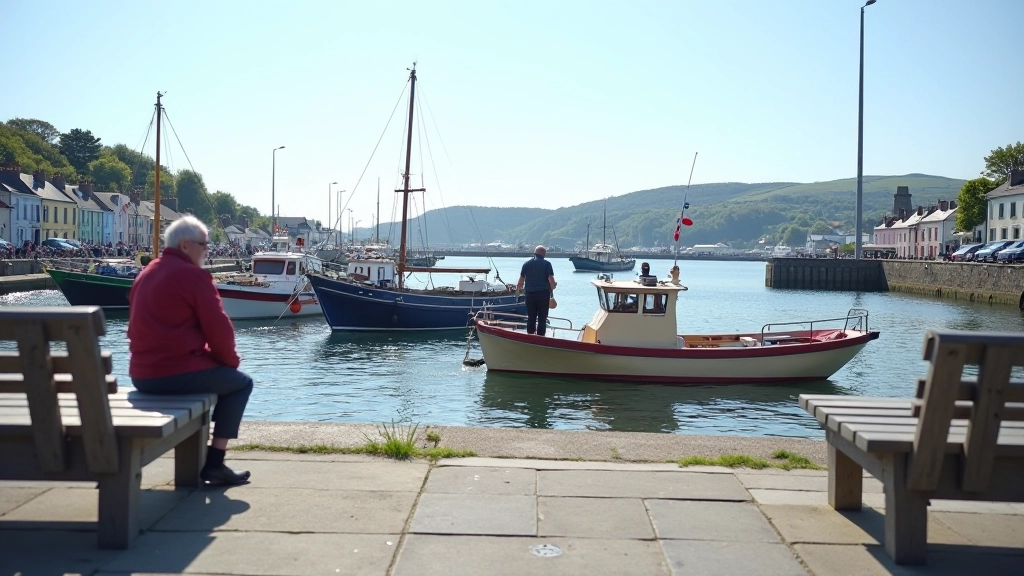
Flat walking along the coastal promenade. You'll pass active fishing boats and the old lifeboat station. This section takes about 15 minutes. It's scenic but nothing steep. First rest point is at the Signal Tower with benches facing the water.
Signal Tower to Clockhouse Point (1.6 km)
This is where the cliffs start showing themselves properly. The path rises gradually through scrubland and gorse. You're about 80 meters above the water now. On clear days you'll see the Copper Coast cliffs to the west. Takes roughly 25 minutes. Don't worry about the incline — it's steady, not sudden.
Clockhouse Point to Eastern Viewpoint (1.2 km)
The highest point of the walk. Genuinely stunning. You're standing at 120 meters looking down at rock formations and the open Atlantic. This section is where you'll see seabirds — razorbills, guillemots, and sometimes kittiwakes. Takes about 20 minutes. Second rest point is at the viewpoint.
Eastern Viewpoint Back to Harbor (1.4 km)
The return leg descends gradually through coastal grassland back to the harbor. You'll pass the third rest point near the old cannon emplacement. Takes about 30 minutes. This section's downhill so it's actually easier than the ascent. By the end you're back at the lighthouse and ready for coffee.
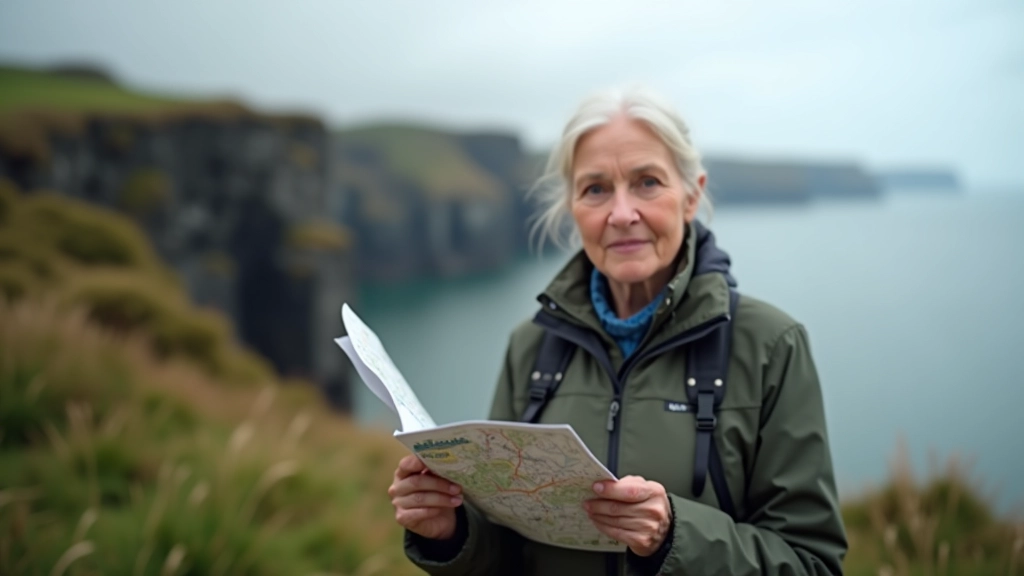
Getting There & What to Bring
Parking & Access
The car park's in the center of Dunmore East village, right next to the lighthouse. It's free and usually has space even in summer. If you're coming by bus, the village is served by local services from Waterford city. The trailhead is literally 50 meters from the car park — you won't miss it.
Essential Gear
- Good walking shoes with grip (the cliff sections aren't slippery but you'll want proper sole contact)
- Wind-resistant jacket — the Atlantic side gets breezy even on calm days
- Sun protection (hat, sunscreen) — there's zero shade on the cliff sections
- 1.5 liters of water minimum — bring more if it's warm
- Snacks — energy bars, fruit, whatever sustains you
- Phone with map downloaded (just in case, though the trail's well-marked)
Honestly, you don't need anything fancy. We've seen retirees do this walk in regular sneakers. But good footwear makes a real difference on the descent.
When to Walk This Path
Timing matters more than you'd think. The Dunmore East Cliff Path isn't closed in winter, but conditions vary dramatically by season.
Spring (March-May)
Best time honestly. Temperatures around 12-15°C, wildflowers on the cliff edges, and migratory birds returning. Winds are moderate. You'll share the path with maybe 20-30 other walkers on a weekend. It's not crowded but there's enough life around to feel connected.
Summer (June-August)
Warmest temperatures (16-19°C) and longest daylight. But it's busy. The path gets crowded weekends and you'll need to start early to avoid afternoon sun on the exposed cliff sections. Morning walks finish by 11 AM and you avoid the heat.
Autumn (September-November)
Golden light, fewer tourists, temperatures 10-15°C. Wind picks up in October but it's not dangerous. This is when serious walkers come. You'll notice the light changes dramatically through the walk — it's worth the slightly cooler temperatures.
Winter (December-February)
Don't avoid it but be smart. Temperatures 6-10°C, occasional rain, and wind gusts that actually matter. The path's still walkable — it doesn't ice over. But start before 3 PM so you're not finishing in darkness. Winter walkers report the sea looks angrier, the air's cleaner, and you feel genuinely wild.
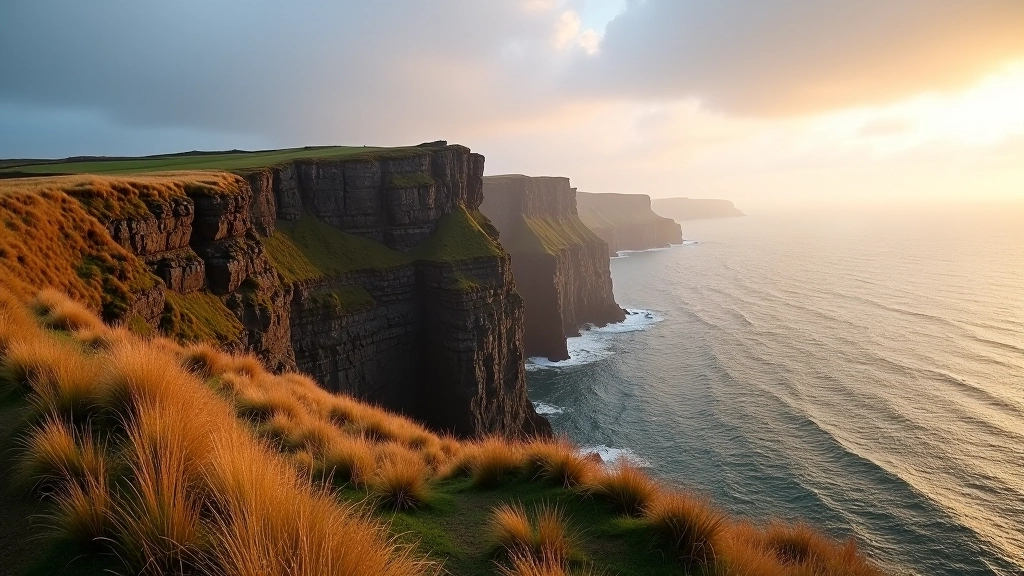

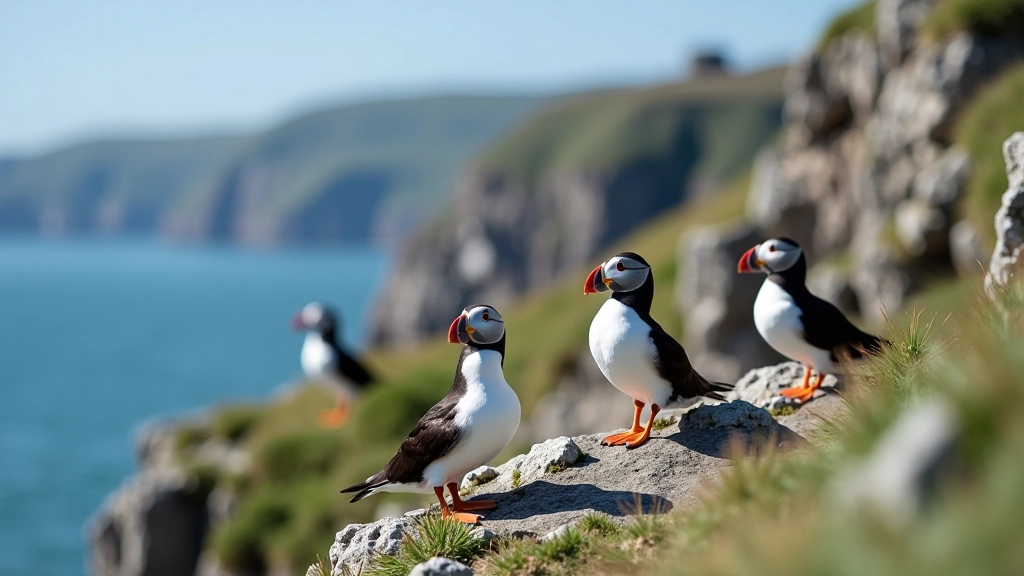
What You'll See (Wildlife & Views)
The Dunmore East cliffs aren't a nature reserve but they're genuinely alive. You're walking through the territory of seabirds that've nested here for decades. Razorbills and guillemots dominate the lower rock faces. Kittiwakes nest in smaller colonies. In spring and autumn you'll see migration activity — birds you won't recognize heading somewhere important.
On the water itself you might spot cormorants, occasionally seals hauling out on rocks, and sometimes dolphins if you're lucky. Bring binoculars. Seriously. A basic pair transforms the walk because you can actually see the birds' behaviors instead of just knowing something's moving out there.
The geological story's equally compelling. Those cliff faces show 400 million years of sedimentary layers. The older rocks at the base are slate and sandstone. The newer layers toward the top are more recent (relatively speaking). You're literally walking through geological time. If that interests you, download a geology app before you go — it'll make the rock formations mean something.
Practical Tips for This Walk
Safety on Cliffs
The path stays a safe distance from the edge but the cliffs are genuinely high. Don't step off the marked trail. Wind gusts are real — if you're unsteady on your feet, walk on the inland side of the path.
Sun Exposure
There's genuinely zero shade on the cliff sections. 90 minutes of exposure in summer is real. Reapply sunscreen after the first rest stop. A hat isn't optional — it's required.
Wind Conditions
Atlantic winds are constant. They're not usually dangerous but they're present. If you've got a lightweight jacket, clip it down. Check the forecast before you go — sustained 40+ kph winds change the experience.
After the Walk
Dunmore East village has three good cafés within five minutes of the car park. If you've just walked 5.2 kilometers, coffee and a scone feel genuinely earned. The Harbor Café does decent coffee. Plan for this.
Mobile Reception
Reception's patchy on the cliff sections. Download your offline map before leaving the car park. Most of the coastal sections have signal but don't count on it for navigation.
Pacing Yourself
Use those rest points. They're not weakness — they're built into the walk design. Sit down. Enjoy the view. Drink water. You're not in a race. The path's been there for decades and will be there when you return.
Photography
The Eastern Viewpoint is genuinely photogenic. But the light changes hour to hour. Afternoon light is harsher. Morning light is softer. The golden hour (last hour before sunset) is almost unfair in how beautiful it is.
Ready to Walk?
The Dunmore East Cliff Path isn't a hidden secret anymore but it still feels genuine. You're not walking through a theme park. You're walking through a real coastal landscape that's been shaped by geology, weather, and centuries of human use. The fishing boats are still working. The birds are still nesting. The cliffs are still eroding. You're a small part of that system for 90 minutes.
Start in the morning. Bring water. Wear proper shoes. Rest when you need to. Take your time. And when you reach the Eastern Viewpoint, just stand there for five minutes and let the Atlantic make you feel small. That's the real point of this walk.
Important Disclaimer
This guide is informational and educational. Walking conditions change seasonally and weather affects trail difficulty. Always check current weather forecasts and local conditions before setting out. If you have mobility concerns or health conditions affecting walking, consult with your healthcare provider before attempting this walk. The cliff sections are genuinely exposed — use caution and appropriate footwear. Waterford County Council and local landowners don't warrant the accuracy of this information. You walk at your own risk and are responsible for your own safety.
More Walking Guides