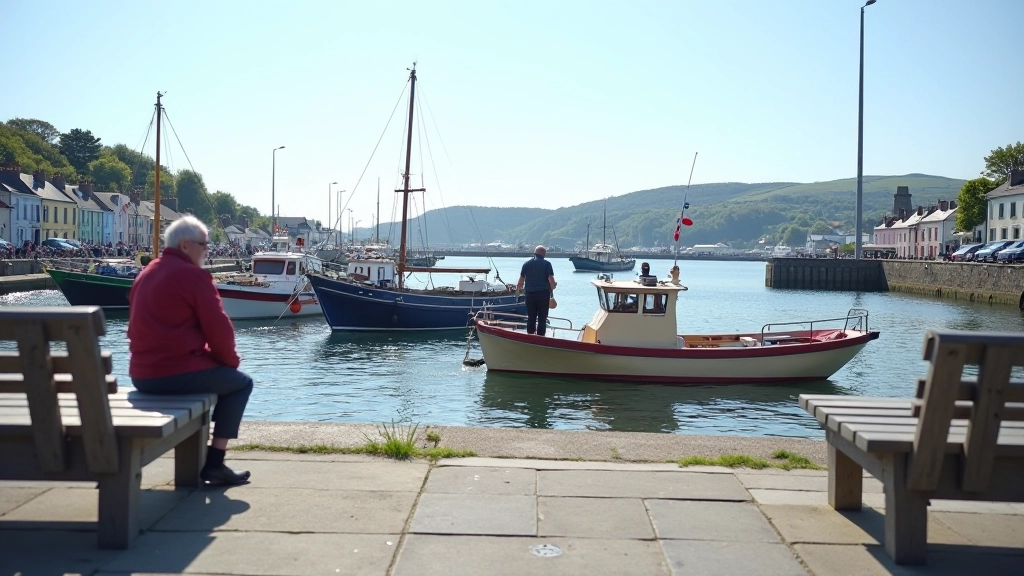
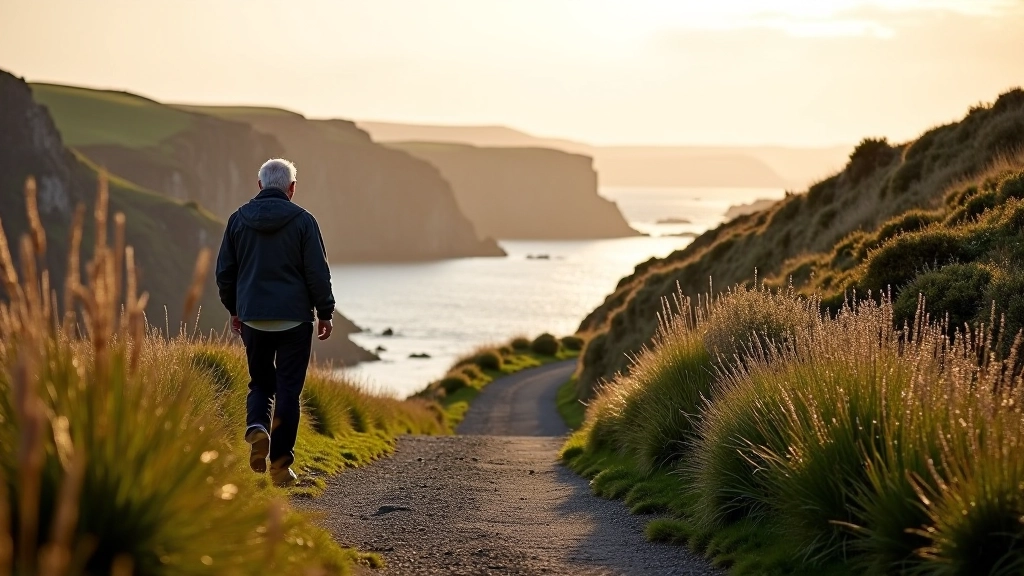
Dunmore East Cliff Path: A Complete Walking Guide
Step-by-step route guide covering the full cliff path with rest points, parking, and what to expect at each section.
Where to see herons, egrets, and migrating birds. Bring binoculars. We've mapped five viewpoints with benches nearby.
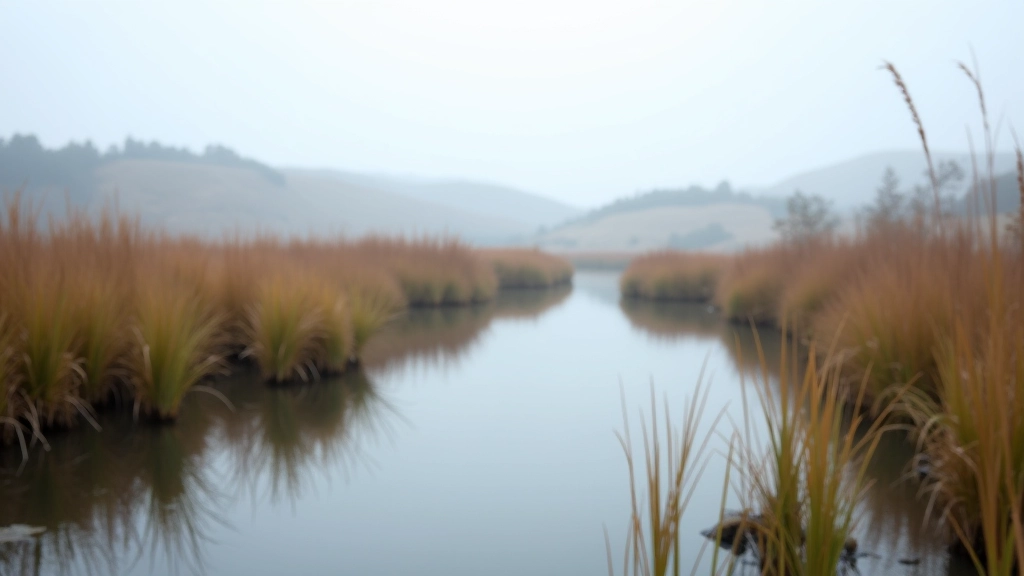
Estuaries are where rivers meet the sea, creating unique habitats that attract hundreds of bird species. The mix of fresh and salt water, shallow mudflats, and dense reed beds makes these areas natural gathering points. You'll find everything from wading birds to raptors here — especially during migration seasons.
Different species appear each season. Spring brings nesting birds, autumn offers migrating flocks, and winter brings rare visitors from the Arctic.
Benches and viewing platforms are placed at the best spots. Most walks are flat and well-maintained, perfect for taking your time observing.
Beyond birds, you'll see wildflowers, native plants, and changes in light across the water throughout the day.
We've walked these estuary sections dozens of times and picked the five spots where you'll actually see birds — not just hope to see them. Each location has something different to offer depending on the season and time of day.
Elevated vantage point with wooden benches. You're looking down at mudflats where herons hunt at low tide. Early morning light is spectacular here. Park right at the gate, five-minute walk to the bench.
Narrow boardwalk through dense reeds. This is where you'll find warblers in spring and bitterns if you're lucky. Quieter than other spots. Bring a bird identification book — this area surprises people.
Flat viewing platform with shelter from wind. Egrets and spoonbills hunt here during incoming tide. Most accessible location on our list — very gentle terrain, good for anyone who finds walking difficult.
Small cove with shallows that fill and empty twice daily. Timing matters here — visit 2 hours before or after low tide. You'll see curlews, sandpipers, and occasionally ringed plovers. Park and walk 800 meters.
Walking path with multiple stopping points overlooking the whole estuary. Best for seeing raptors — kestrels hunt the grasslands regularly. Slightly more walking than other spots but the views are worth it.

The birds you encounter depend on timing. We're talking about consistent sightings here — not rare one-off birds. Here's what's realistic to expect.
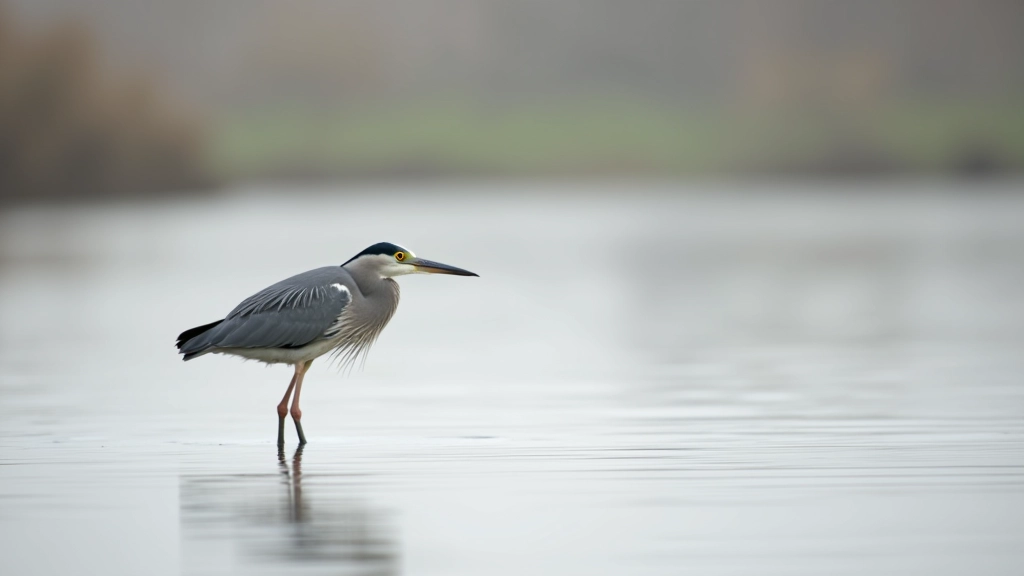
Year-round residents. They're tall, patient hunters. You'll spot them standing motionless in shallow water, then suddenly striking at fish. Early morning is prime time.
Spring through autumn visitors. White plumage makes them easy to spot. Spoonbills are rarer but we've seen them three times in the last two years at the shallow water channel.
Curlews, sandpipers, and plovers work the mudflats. Binoculars are essential here — they're smaller and move quickly. Low tide is best for spotting them.
Kestrels hunt the grassland edges. Occasional buzzards circle overhead. The north ridge path gives you the best chance of seeing them soar and dive.
You don't need expensive equipment or special training. Here's what actually makes a difference based on what we've learned over years of leading these walks.
Birds are most active between dawn and mid-morning. That means 7 a.m. at the latest, preferably 6:30 a.m. We know it's early, but you'll see three times as many birds. The light's better for photography too.
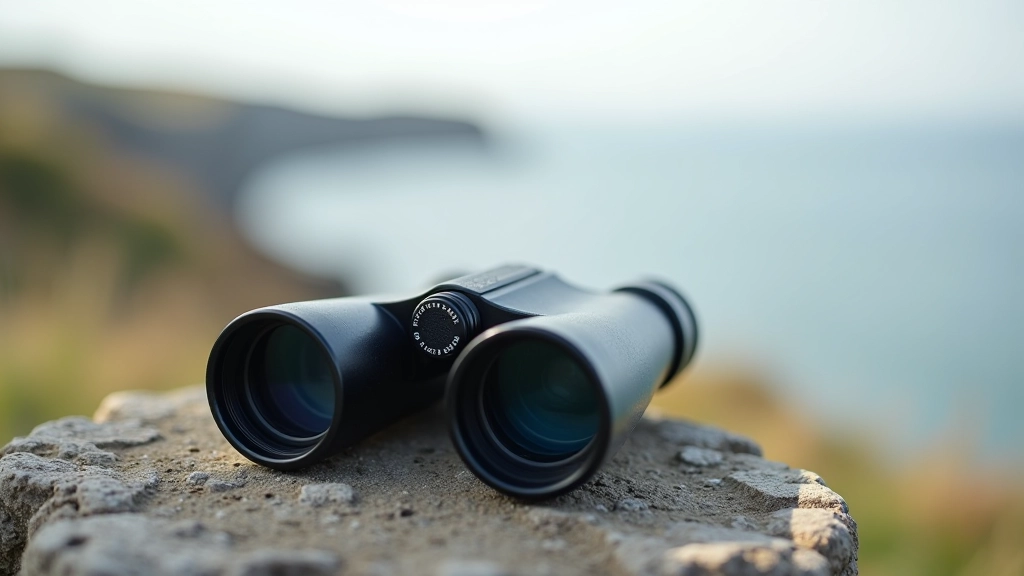
Binoculars are easier to handle on a walk. 8x42 or 10x42 magnification works perfectly for estuary distances. You don't need expensive ones — mid-range binoculars (€80-150) are totally fine. Test them before you buy.
Birds flee from noise and sudden movement. Find a bench, sit down, and just watch. You'll see more by sitting still for 30 minutes than by walking around. Seriously. It's counterintuitive but it works.
Wear greens, browns, or grays — not white or bright colors. You don't need special gear, just earth tones. Avoid shiny jewelry and watches that reflect light. Layer up because you'll be standing still and might get cold.
Low tide exposes mudflats where wading birds feed. High tide pushes birds closer to shore. Neither is better — they're just different. Know what tide you'll have and plan accordingly. There's a tide table at the information board near East Point.

You don't need to wait for the perfect conditions or expensive equipment. Pick one of the five spots, check the weather, and go. Bring a notepad if you like — many people enjoy sketching birds or jotting down what they see. The most important thing is to get out there and actually look. Birds are always present in estuaries. Most people just walk past without noticing.
Start with East Point Overlook if you're new to bird watching. It's the most forgiving location with clear sightlines and comfortable benches. Spend 90 minutes there on a calm morning, and we promise you'll see herons, likely egrets, and probably some wading birds. That's a solid morning of actual wildlife watching.
This article provides educational information about estuary bird watching locations and general wildlife viewing practices. Bird sightings vary by season, weather, and individual visits. Species identification requires knowledge and experience — consider bringing a bird identification guide or joining a guided walk with a naturalist for accurate identification. Always respect wildlife by maintaining safe distances, following local regulations, and staying on designated paths. Weather and tide conditions can change rapidly — check forecasts and tide tables before visiting. This information is intended for general educational purposes and shouldn't replace local advice from rangers or naturalist organizations.