Planning Your First Estuary Walk: What to Bring and How to Prepare
Isn't sure what gear you need? We cover proper footwear, sun protection, hydration, and pacing tips that make the difference between enjoying yourself and getting exhausted.
Getting Ready Makes All the Difference
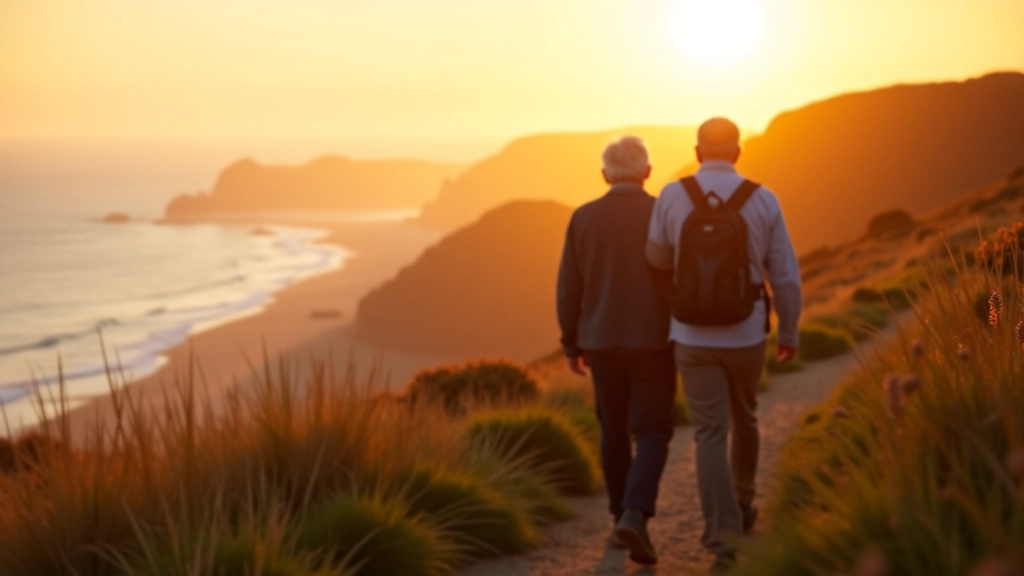
Starting an estuary walk isn't complicated, but there's a right way and a wrong way to approach it. We've seen folks show up in completely wrong footwear, forget water on a warm day, or wear clothes that don't breathe. The good news? Most of these issues are easy to avoid once you know what matters.
Your first walk sets the tone for whether you'll want to come back. We're going to walk you through exactly what to pack, how to dress properly, and what pacing actually feels like when you're exploring an estuary. These aren't fancy tips — they're the basics that keep people comfortable and coming back week after week.
3
Hours is the sweet spot for your first walk
2L
Minimum water you'll want to bring
SPF50
Sunscreen protection level recommended
Footwear: Your Most Important Choice
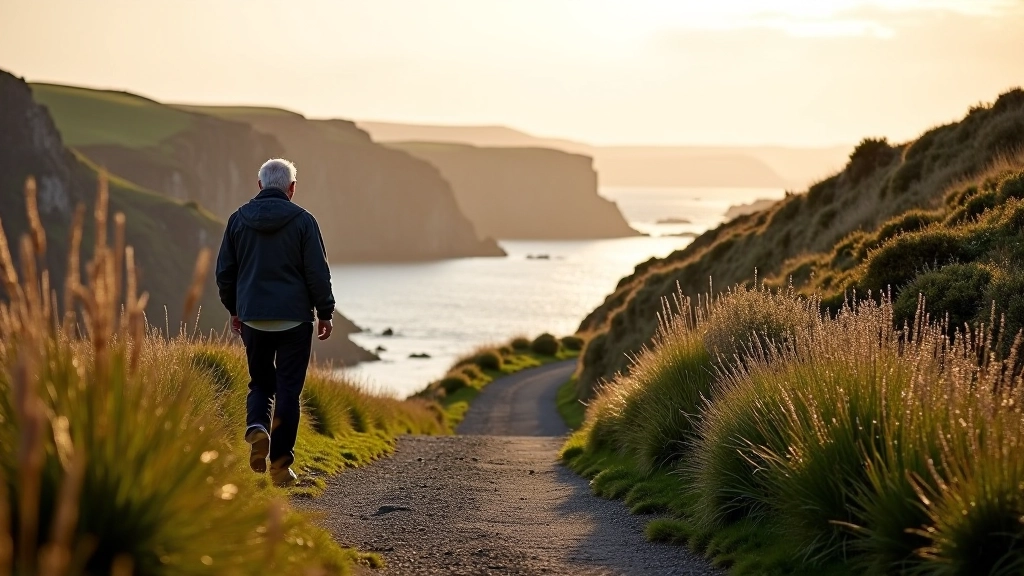
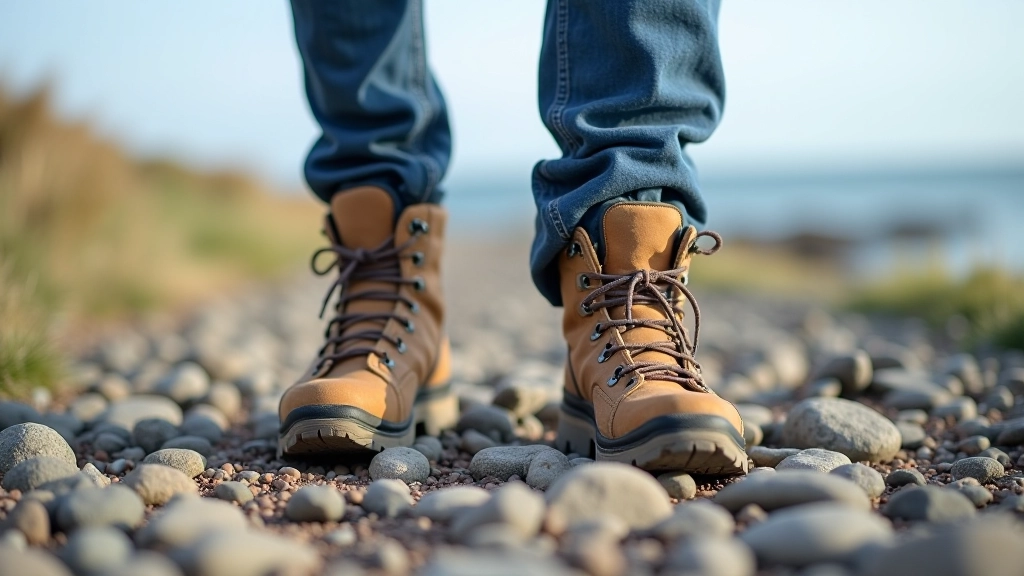
Here's the thing — your feet carry you for the entire walk. If they're uncomfortable, you'll notice it from kilometer one onwards. Most people don't realize that estuary paths aren't always smooth. You'll encounter mud, uneven terrain, loose stones, and sometimes wet patches. Trainers work fine, but they don't provide the ankle support or grip you really need.
Hiking boots or walking shoes with good grip are your best bet. Look for something with:
- Waterproof or water-resistant uppers (essential)
- Ankle support — reduces strain on longer walks
- Aggressive tread pattern for wet surfaces
- Comfortable cushioning — you'll be on your feet for hours
And here's a tip we always give people: break them in at home first. Don't wear brand new boots on your first walk. A few short walks around your neighborhood will show you if they fit properly and won't give you blisters halfway through the estuary path.

Sun, Wind, and Weather Protection
Estuaries are exposed environments. You don't have trees shading you like in a forest walk. The water reflects sunlight, which means you're getting hit from above and below. It's easy to underestimate how strong the sun feels, especially when there's a breeze keeping you cool.
We recommend SPF50 sunscreen applied 15 minutes before you start. Don't just do your face — get your neck, ears, the back of your hands, and anywhere else that's exposed. Reapply every two hours if you're out that long. A hat with a brim isn't just nice to have; it genuinely protects your eyes and face from glare reflecting off the water.
Layering is crucial too. The weather can shift quickly near water. Start with a breathable base layer, add a light fleece or wool mid-layer, and bring a windproof jacket in your pack. You won't wear all of it, but you'll be grateful it's there when the wind picks up or clouds roll in.
Hydration and Nutrition: Fuel Your Walk
Walking for 2-3 hours uses energy. Your body needs water and fuel, and dehydration sneaks up on you faster than you'd think. We've seen people start strong and hit a wall around the 90-minute mark simply because they didn't drink enough.
Bring at least 2 liters of water. If it's warm out or you're walking longer, bring more. An insulated water bottle keeps drinks cool for hours. Snacks matter too — we're not talking about a full picnic, just something with carbohydrates and a bit of protein to keep your energy steady. A banana, granola bar, handful of nuts, or a sandwich all work brilliantly.
Pro tip: Don't wait until you're thirsty to drink. By then, you're already dehydrated. Sip water regularly throughout your walk — every 15-20 minutes is ideal.
If you're diabetic or managing any dietary needs, plan accordingly. Know where rest areas are so you can sit and eat properly. Rushing nutrition isn't comfortable, and you deserve to actually enjoy your walk.

Finding Your Pace and Knowing When to Rest
This is where many first-time walkers make a mistake. They go out with the intention of walking at someone else's pace instead of their own. Estuary walks aren't races. You're there to see the landscape, breathe fresh air, and enjoy being outside.
A comfortable walking pace is about 4 kilometers per hour on flat ground. Estuaries vary — some sections are easy, others have slopes or uneven surfaces. Expect to walk a bit slower than your usual pace. You're not pushing; you're exploring. And that's the point.
1
Start slowly: The first 20 minutes are about warming up. You're not trying to set a pace; you're just getting your legs moving.
2
Find your rhythm: After that, settle into a pace where you can talk but not sing. You should be slightly breathless but comfortable.
3
Take breaks: Rest every 45-60 minutes. Sit, have a snack, drink water, look at the view. These breaks aren't failures — they're part of the experience.
4
Listen to your body: If something hurts, stop. If you're exhausted, turn back early. You're building a habit, not completing a challenge.
The best pace is the one you can sustain. We've noticed that people who walk at their natural pace come back more often. They're not wiped out. They're energized. That's the goal.
Essential Gear Checklist
Before you head out, make sure you've got these basics covered. Nothing fancy — just practical items that make a real difference.
Proper Footwear
Waterproof hiking boots or walking shoes with good grip and ankle support.
Water
At least 2 liters in an insulated bottle. More on warm days.
Sunscreen
SPF50 applied before you start and reapplied every two hours.
Hat & Sunglasses
Brimmed hat and polarized sunglasses protect eyes from water glare.
Snacks
Banana, granola bar, nuts, or sandwich for energy on longer walks.
Layers
Breathable base, fleece mid-layer, windproof jacket in pack.

You're Ready to Start
Planning your first estuary walk isn't about having fancy gear or being super fit. It's about showing up prepared so you can actually enjoy the experience. Get the basics right — good footwear, water, sun protection, and a comfortable pace — and you'll set yourself up for success.
Your first walk is just the beginning. We've seen plenty of people come out once and decide it's not for them. But we've seen far more people come back again and again because they realized how good it feels to be outside, moving at their own pace, surrounded by beautiful landscape. You're about to join that second group.
Start with a shorter walk on a day with decent weather. Give yourself permission to turn back if you need to. And remember — every experienced walker was a beginner once. You've got this.
Important Disclaimer
This article is for informational purposes only. Before beginning any new physical activity, especially walking in coastal or challenging terrain, consult with your healthcare provider if you have any pre-existing health conditions. Environmental conditions can change rapidly in estuary areas — check weather forecasts and tide information before setting out. Always inform someone of your planned route and expected return time. Follow local path markings and safety guidelines. We recommend starting with shorter distances and gradually building endurance at your own pace.
Related Articles